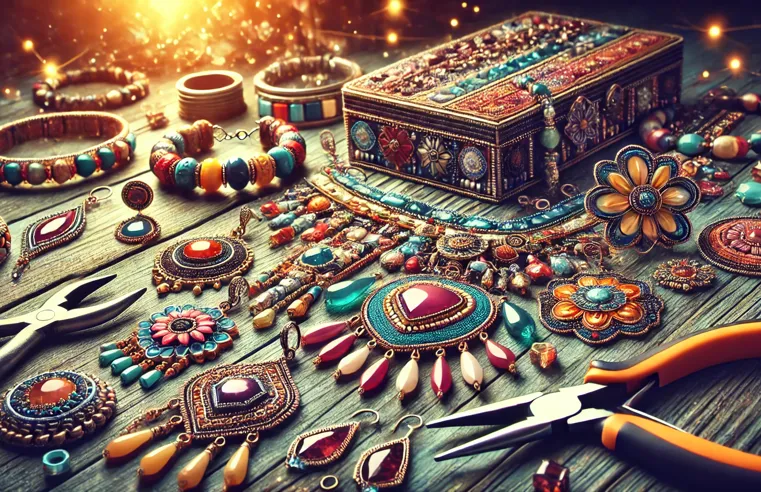
Crafting custom jewelry is not only a creative and fulfilling hobby, but it can also be a lucrative side hustle. With the rise of online marketplaces and a growing appreciation for handmade, unique items, there’s never been a better time to turn your passion for jewelry making into a profitable weekend project. This guide will take you through the steps of creating and selling custom jewelry, from selecting materials to marketing your products.
1. Choose Your Niche
The first step in crafting and selling custom jewelry is to choose a niche that sets your creations apart. Focusing on a specific style, material, or target audience can help you stand out in a crowded market.
Popular Niches:
Minimalist Jewelry: Simple, elegant pieces that can be worn daily.
Statement Pieces: Bold, eye-catching designs that serve as a focal point of any outfit.
Bohemian Style: Earthy, free-spirited designs often featuring natural materials like wood, leather, and stones.
Personalized Jewelry: Custom pieces with initials, names, or meaningful symbols.
Pro Tip: Research current jewelry trends on platforms like Pinterest or Instagram to get inspiration and identify what’s popular.
2. Source Quality Materials
Once you’ve chosen your niche, it’s important to source high-quality materials that will make your jewelry both durable and attractive. The materials you choose will depend on your niche and style, but some common options include:
Metals: Gold, silver, brass, and copper.
Gemstones: Semi-precious stones like amethyst, turquoise, and quartz.
Beads: Glass, crystal, wooden, or ceramic beads.
Leather: Perfect for bohemian or rustic designs.
Wire: For wrapping stones or creating intricate designs.
Where to Buy:
Fire Mountain Gems: Offers a wide selection of beads, gemstones, and jewelry-making supplies.
Rio Grande: Known for high-quality metals, tools, and gemstones.
Etsy: A great place to find unique, artisanal materials from sellers around the world.
3. Develop Your Skills
If you’re new to jewelry making, or if you want to refine your skills, there are plenty of resources available to help you master different techniques. Whether you’re interested in wire wrapping, metal stamping, or bead weaving, it’s important to practice and perfect your craft.
Learning Resources:
Skillshare: Offers a wide range of jewelry-making classes, from beginner to advanced.
YouTube: Free tutorials on virtually every jewelry-making technique.
Jewelry Making Journal: A blog filled with tips, tutorials, and inspiration for jewelry makers.
4. Create a Unique Brand
Branding is key to attracting customers and building a loyal following. Your brand should reflect the style and quality of your jewelry, as well as resonate with your target audience.
Branding Elements:
Name and Logo: Choose a memorable name and design a logo that represents your brand’s identity.
Packaging: Invest in attractive, branded packaging that enhances the unboxing experience for your customers.
Story: Share the story behind your brand, including your inspiration and the meaning behind your designs.
Tools for Branding:
Canva: Create your logo, labels, and social media graphics with easy-to-use design tools.
99designs: Hire a professional designer to help create a unique brand identity.
5. Set Up an Online Store
Selling your custom jewelry online is the most effective way to reach a large audience. You’ll need to set up an e-commerce platform where customers can browse and purchase your creations.
E-Commerce Platforms:
Etsy: Perfect for selling handmade and custom jewelry, Etsy has a built-in audience of customers looking for unique items.
Shopify: Allows you to create a fully customized online store with a range of built-in tools for managing sales, inventory, and marketing.
Big Cartel: Ideal for small businesses and artists, Big Cartel offers simple, user-friendly features for selling handmade products.
Pro Tip: Include high-quality photos and detailed descriptions of your products. Consider offering different options for customization, such as metal type, stone choice, or engraving.
6. Price Your Jewelry
Pricing your custom jewelry correctly is crucial to making a profit while remaining competitive. Here’s how to determine your pricing:
Calculate Costs: Add up the cost of materials, packaging, and shipping. Don’t forget to factor in your time spent making the jewelry.
Research Competitors: Look at how similar products are priced in the market. This will give you an idea of what customers are willing to pay.
Set Your Profit Margin: Decide on a reasonable profit margin that covers your costs and reflects the value of your product.
Pricing Tools:
Craftybase: Inventory and pricing software specifically designed for handmade businesses.
Square: A tool that helps with pricing, invoicing, and payment processing.
7. Market Your Jewelry
Marketing is essential to driving traffic to your online store and converting visitors into customers. Here are some effective strategies:
Social Media: Platforms like Instagram and Pinterest are great for showcasing your products. Post photos of your jewelry, share behind-the-scenes content, and engage with your followers.
Content Marketing: Start a blog or YouTube channel where you share tips on jewelry care, fashion advice, or the inspiration behind your designs. This can help build your brand and attract potential customers.
Email Marketing: Build an email list of interested customers and send regular newsletters with updates, promotions, and new product launches. Tools like Mailchimp make it easy to manage your email marketing campaigns.
Marketing Tools:
Hootsuite: Schedule and manage your social media posts to maintain a consistent online presence.
Later: Another social media management tool that’s especially useful for planning Instagram posts.
Google Ads: Run targeted ads to drive traffic to your online store.
8. Handle Orders and Shipping
As orders start coming in, it’s important to have a system in place for processing and shipping them efficiently. Here’s what you need to do:
Inventory Management: Keep track of your inventory to avoid running out of stock. Tools like QuickBooks Commerce can help you manage your stock levels.
Packaging: Ensure your jewelry is well-protected during shipping. Consider using eco-friendly packaging materials that align with your brand values.
Shipping: Choose reliable shipping services that offer tracking. Services like ShipStation integrate with your e-commerce platform to streamline the shipping process.
Shipping Services:
USPS: Offers a variety of shipping options, including flat-rate boxes that are perfect for small businesses.
FedEx: Known for fast and reliable shipping, with options for international delivery.
Final Thoughts
Crafting and selling custom jewelry is a rewarding way to combine creativity with entrepreneurship. By perfecting your craft, building a unique brand, and effectively marketing your products, you can turn your weekend jewelry-making hobby into a profitable business. Whether you’re looking to supplement your income or build a full-time career, the opportunities in the handmade jewelry market are vast. Start small, dream big, and enjoy the process of growing your business one beautiful piece at a time!