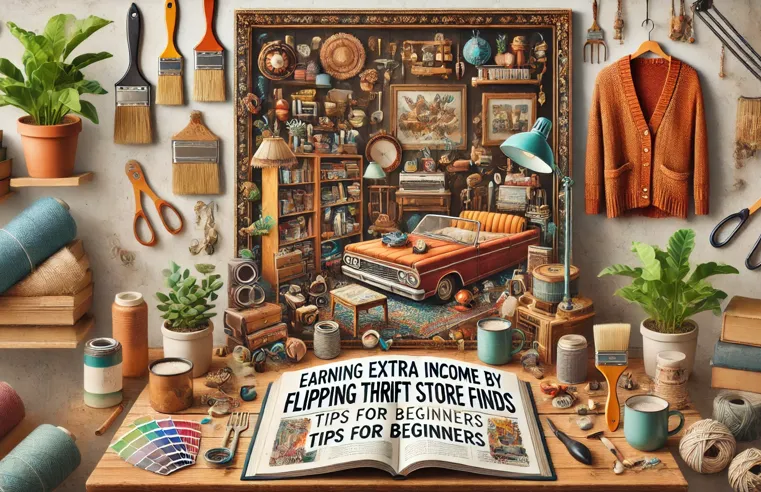
Flipping thrift store finds has become a popular and lucrative side hustle for many. With a keen eye and a bit of creativity, you can turn second-hand treasures into profitable items. Whether you’re looking to make some extra cash on the weekends or start a more substantial side business, this guide will provide you with tips and strategies to get started in the world of thrift flipping.
1. Understand What Sells
The first step in successful flipping is knowing what types of items are in demand. Generally, the most profitable items to flip include:
Furniture: Vintage or solid wood pieces that can be easily restored.
Clothing: Brand-name or vintage clothing, especially those in good condition.
Home Décor: Unique or trendy home accessories, such as mirrors, lamps, and artwork.
Electronics: Retro gadgets, vintage cameras, and working small appliances.
Collectibles: Items like records, books, or rare figurines.
Pro Tip: Spend some time researching current trends in home décor and fashion. Websites like Pinterest can provide inspiration and help you understand what’s popular.
2. Know Where to Shop
Finding the right thrift stores can make a huge difference in your flipping success. Some stores are known for having higher-quality items or more frequent turnover, giving you better chances of finding valuable pieces.
Recommended Thrift Stores:
Goodwill: One of the largest and most well-known thrift store chains, with locations across the U.S.
Salvation Army: Another popular chain with a wide range of items, from furniture to clothing.
Savers: Offers a large selection of second-hand goods and frequently restocks with new items.
Local Flea Markets: Great for finding unique items and negotiating prices directly with sellers.
In addition to physical stores, don’t forget to check out online marketplaces like Facebook Marketplace, eBay, and OfferUp for deals that you can flip.
3. Learn How to Spot a Good Deal
To make the most profit, you’ll need to develop the ability to recognize valuable items. Here are some tips for spotting good deals:
Check for Brand Names: High-quality brands or designer labels often have higher resale values.
Look for Unique or Vintage Items: These can be especially appealing to collectors or those looking for one-of-a-kind décor.
Assess Condition: Ensure that items are in good condition or can be easily repaired or restored.
Check the Price: Make sure the cost of the item allows for a reasonable profit margin after any restoration or shipping costs.
Tools to Use:
Google Lens: Use this app to identify items and get an idea of their value.
eBay’s Sold Listings: Check what similar items have sold for to gauge potential profit.
4. Clean, Repair, and Restore
Once you’ve purchased your thrift store finds, you may need to invest some time into cleaning, repairing, or restoring them. For example:
Furniture: Sand and refinish wood pieces, or reupholster chairs and sofas.
Clothing: Wash and iron garments, and make minor repairs like sewing on buttons.
Electronics: Clean and test to ensure they’re in working condition.
Restoration Tools:
Home Depot: For paint, tools, and other DIY supplies.
Joann Fabrics: For fabric and sewing supplies if you’re reupholstering or mending items.
YouTube: Offers countless tutorials on DIY repairs and restoration techniques.
5. Set Up Your Selling Platforms
After preparing your items, it’s time to sell them. There are several online platforms where you can list your flipped items:
Selling Platforms:
eBay: Ideal for a wide range of items, especially collectibles and electronics.
Etsy: Perfect for vintage items, crafts, and handmade goods.
Facebook Marketplace: Great for local sales, especially larger items like furniture.
Poshmark: Specializes in clothing, accessories, and home goods.
When listing your items, be sure to take high-quality photos and write detailed descriptions. Include measurements, brand names, and any other relevant details to help potential buyers make informed decisions.
6. Price Your Items Strategically
Pricing is crucial to ensure a quick sale while maximizing your profits. Consider the following when pricing your items:
Research Comparable Listings: See what similar items are selling for on various platforms.
Factor in Restoration Costs: Include the cost of any materials or time spent restoring the item.
Be Flexible: Be open to negotiating, but know your minimum acceptable price.
Pricing Tools:
WorthPoint: A tool to help research the value of antiques and collectibles.
SellHound: Helps with pricing and listing items on multiple platforms.
7. Market Your Listings
To increase visibility and attract more buyers, it’s important to market your items effectively:
Share on Social Media: Post your listings on your personal social media accounts or in relevant groups.
Use Hashtags: On platforms like Instagram, use popular hashtags related to thrifting, vintage, or the type of item you’re selling.
Promotions: Offer discounts or bundle deals to encourage multiple purchases.
Marketing Tools:
Canva: Create eye-catching social media graphics to promote your listings.
Later: Schedule and manage social media posts to keep a consistent presence online.
Final Thoughts
Flipping thrift store finds can be a rewarding way to earn extra income, and with the right approach, you can turn it into a sustainable side hustle. By learning to spot valuable items, investing time in restoration, and leveraging online selling platforms, you can make a profit while enjoying the thrill of discovering hidden gems. Start small, learn as you go, and most importantly, have fun with it!